Buyers of new construction in Temecula Valley most often regret underestimating Mello-Roos and HOA costs, overpaying for builder upgrades, signing one-sided builder contracts, and not accounting for years of surrounding construction activity, costs and conditions that headline incentives never reflect.
What do buyers regret most about new construction in Temecula Valley?
The most common regrets among new-construction buyers in Temecula Valley involve costs and conditions that weren't visible in the builder's sales office: Mello-Roos and HOA charges that push the real monthly payment well above the advertised figure, upgrade pricing that far exceeds post-close contractor quotes, builder contracts that heavily favor the builder, and months or years of construction noise, dust, and incomplete amenities that no one warned them about. Understanding these before you sign is the difference between a great experience and an expensive lesson.
Key Takeaways
Recent local market data puts the Temecula Valley median sale price at $769,975, new-construction premiums, lot upgrades, and special-district charges can push the all-in cost well above that baseline.
Mello-Roos and special-assessment charges are separate from HOA dues and are not always included in a builder's advertised monthly payment, verify both through the Riverside County Clerk-Recorder before closing.
Builder upgrade pricing is typically marked up significantly over what a licensed contractor would charge after closing; deferring cosmetic upgrades is often the smarter financial move.
Builder contracts are written by the builder's legal team and almost never favor the buyer, an independent real estate attorney review before signing is money well spent.
Solar systems on new Temecula homes may be owned, financed, leased, or governed by a power-purchase agreement, the structure affects your monthly cost, resale flexibility, and long-term obligations.
What are the real costs of new construction in Temecula Valley that buyers miss?
New construction in Temecula Valley looks straightforward in the sales office. The builder hands you a base price, a monthly payment estimate, and a list of included features. What that sheet rarely shows you is the full picture of what you'll actually owe every month, and every year.
I walk every buyer through this before they set foot in a model home, because the gap between the advertised payment and the real one is where most of the regret lives.
Lot premiums: the price before the price
Lot premiums are added to the base price for corner lots, cul-de-sacs, larger square footage, views, or backing to open space. They are non-negotiable in most builder contracts and can add tens of thousands of dollars to your purchase price before you've chosen a single upgrade. Ask for the full premium schedule on every available lot, not just the one the sales rep is showing you.
HOA dues, Mello-Roos, and special assessments
This is the single most common source of payment shock I see. HOA dues and Mello-Roos are two completely separate charges, and builders don't always present them together.
As a real example: current listings for Pine at Elderberry Park and Sage at Elderberry Park in Temecula both show a $336 monthly HOA charge as of early October 2026, according to NewHomeSource community data. That figure is community-specific, other communities in the Valley carry different amounts, and it does not include any applicable Mello-Roos or special-district charges on top of it.
Mello-Roos districts in Riverside County can fund schools, parks, libraries, streets, water, sewer, and other public infrastructure. According to the Riverside County Clerk-Recorder, buyers need to contact the relevant special district directly to understand what they owe. These charges appear on your property tax bill, not in the builder's monthly payment estimate, and they can run several thousand dollars a year depending on the district and the assessed value of the improvements.
Before you sign anything, pull the full tax-area and special-assessment detail for the specific parcel. Don't rely on the builder's worksheet.
Builder upgrades: the math rarely works in your favor
Builders price upgrades at the design center at a significant markup over what a licensed contractor would charge you after closing. Flooring, countertops, cabinetry, and fixture packages that cost $15,000 at the design center might run $8,000–$10,000 with a contractor you hire yourself six months later, and you'd have more choices.
The catch is that structural upgrades (added square footage, extra garage bays, loft conversions) generally must be done during construction. Cosmetic upgrades almost never do. I tell buyers to separate those two categories clearly before they walk into the design center, because the pressure to decide quickly, and the financing convenience of rolling upgrades into the mortgage, leads to spending more than the upgrades are worth.
For a deeper look at the costs that stack up before and after closing, the post on hidden costs of buying in Temecula Valley covers the full picture.
What should new-construction buyers in Temecula Valley know about contracts, inspections, and delays?
Builder contracts are not balanced documents
A builder's purchase contract is drafted by the builder's legal team. It protects the builder. It gives the builder flexibility on completion timelines, change orders, and substitutions. It limits your remedies if something goes wrong. And it is presented as non-negotiable, which it largely is on the major terms, though some details can be negotiated with the right representation.
Read every page before you sign. Pay particular attention to: what happens if the builder misses the promised completion date, what substitutions the builder is permitted to make to materials or finishes, how disputes are handled, and what your cancellation rights are. An independent real estate attorney review of the contract, before you sign, not after, is one of the best investments a new-construction buyer can make.
Independent inspections on a brand-new home are not optional
A city inspection signs off on code compliance. It does not catch everything, and it is not done on your behalf. A practical approach for new-construction buyers is to arrange an independent inspection at the pre-drywall stage (when framing, plumbing, and electrical are exposed), another near completion, and a final walkthrough inspection before accepting the home. These are buyer due-diligence steps, not statutory requirements, your purchase contract and site-access terms will govern when and how they can be scheduled.
Builders sometimes push back on pre-drywall access. Push back harder. The cost of a few hundred dollars per inspection is trivial compared to what you might miss.
Completion delays are common and your leverage is limited
Supply chain disruptions, labor shortages, permit delays, and weather can all push a builder's projected completion date. In most builder contracts, the builder has significant latitude to extend the schedule without penalty. Your rate lock, your lease expiration, and your moving plans do not move the builder's timeline.
Before you sign, understand exactly what the contract says about delays, what notice the builder must give you, what your options are if the delay is substantial, and whether you have any right to cancel and recover your deposit. Assume the timeline will slip and plan accordingly.
Solar: owned, leased, financed, or PPA?
Most new homes in Temecula Valley come with solar. What buyers often don't realize until after closing is that "comes with solar" can mean four very different things: the system is included in the purchase price (buyer-owned), it's financed separately through a solar loan (buyer pays a monthly note), it's leased (buyer pays a monthly lease payment to a third party), or it's governed by a power-purchase agreement (buyer pays per kilowatt-hour to a third party).
Each structure has different implications for your monthly cost, your utility bill, your ability to sell the home, and the buyer's ability to assume the obligation. The California Public Utilities Commission's Solar Consumer Protection Guide identifies the key items to review: panel and inverter warranties, who is responsible for replacements, potential post-warranty costs, and the contract's equipment and contractor information.
The Contractors State License Board also advises buyers to confirm that the solar system is permitted and inspected, systems not installed to code can create problems at resale and with the utility. Request the permit and final inspection records before closing.
California also requires that a solar provider give you a completed Solar Energy System Disclosure Document prepared by the CSLB, per the CPUC's solar guide. When solar is bundled into a builder transaction, confirm which party is contracting for the system and which disclosures apply. And per the CSLB's Solar Contracts Bulletin, residential solar installation is classified as home improvement, the contractor must provide you with a signed, dated copy of the contract before work begins.
Warranty: know the process before you need it
Builder warranties typically cover different components for different periods. Workmanship and materials, mechanical systems, and structural defects are usually covered under separate warranty tiers. What buyers often don't know is that the warranty process is driven by the builder's timeline and the builder's repair crew, not yours.
Keep every document: purchase contract, options and upgrade addenda, change orders, inspection reports, closing documents, solar agreements, appliance manuals, and every warranty-service request. For any defect, record the date, location, photographs, the builder's response, the promised completion date, and whether the repair was actually completed. Your warranty booklet and purchase contract govern the specific timelines and procedures that apply to your home, there is no single statewide response deadline for ordinary builder warranty claims.
How does surrounding construction affect daily life in a new Temecula development?
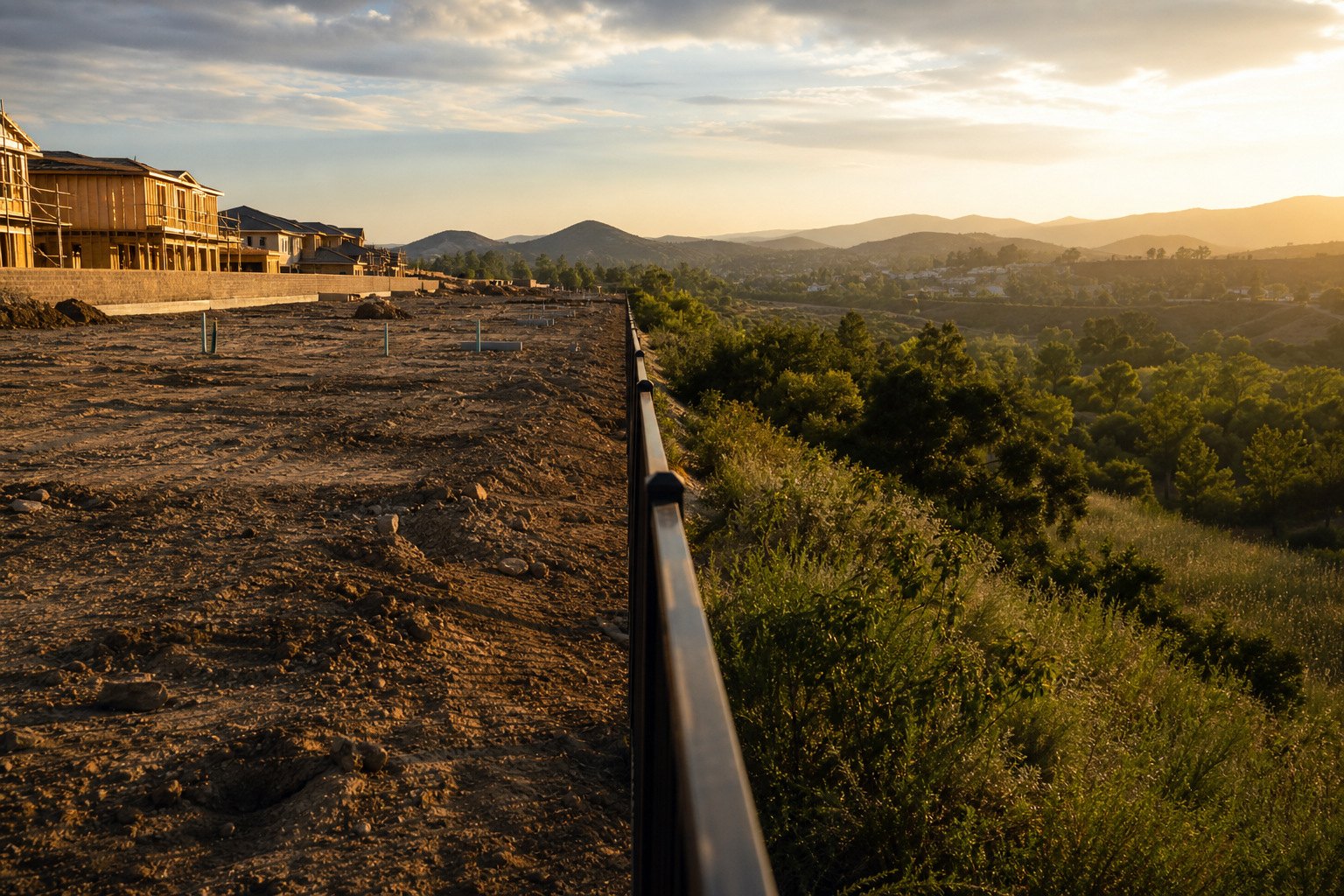
This one surprises buyers more than almost anything else. You close on your home, move in, and discover that the streets aren't finished, the park shown in the rendering is still a dirt field, the commercial pad at the entrance has been graded but not built, and the phases behind yours are actively under construction six days a week.
That's not a defect, it's how phased residential development works. The City of Temecula's development-plan review process governs new residential tract development for consistency with the General Plan, Development Code, and applicable specific plans. Approval of one phase doesn't mean the surrounding phases complete on your schedule.
Separately, the Riverside County Transportation Commission's 2026 briefing materials identify the I-15 Smart Freeway Pilot Project as under construction in Temecula, with a corridor from the San Diego/Riverside County line to the I-15/I-215 interchange and an anticipated 2026–2028 pilot period. That's regional infrastructure work that affects commute times independently of any subdivision's completion schedule.
Before you close, drive the route to work and schools at peak hours. Ask the builder for the phasing and completion schedule in writing. Check the city's project records for what's approved and what's still planned around the parcel. What the model home shows you is a finished community, what you're buying into is a construction site that will eventually become one.
Here's a quick look at where new-construction activity is concentrated across the Valley, based on recent market data:
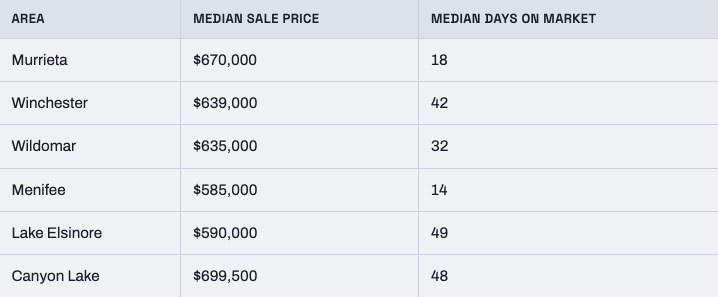
Days on market vary significantly by area, and in active new-construction markets like Menifee and Murrieta, that pace means less negotiating room and more pressure to decide quickly. That's exactly when having a clear game plan matters most.
For buyers considering new construction near Temecula's core, the Altair at Temecula buyer's guide covers one of the Valley's most active new-home communities in detail.
Frequently Asked Questions
Are Mello-Roos taxes included in the advertised monthly payment for new construction in Temecula?
Usually not. Mello-Roos and other special-district charges appear on your property tax bill separately from your mortgage payment, and builders don't always include them in the payment estimate shown in the sales office. Before you sign, request the full parcel tax and special-assessment detail from the Riverside County Clerk-Recorder or the applicable special district, don't rely on the builder's worksheet to capture every recurring charge.
Should I hire an independent inspector for a brand-new Temecula home?
Yes, a city inspection confirms code compliance but is not conducted on the buyer's behalf, and it doesn't catch everything. Arranging an independent inspection at the pre-drywall stage, near completion, and again before accepting the home is a sound due-diligence practice. Your purchase contract and site-access terms will govern when inspections can be scheduled, so address this before you sign.
What happens if the builder misses the promised completion date?
In most builder contracts, the builder has significant flexibility to extend the schedule without penalty to the buyer. Your right to cancel and recover your deposit depends entirely on the specific contract language, not on a general rule. Read the delay provisions carefully before signing, and assume the timeline will slip when making plans for your rate lock, lease end, and moving arrangements.
Is the solar system owned, leased, financed, or included in the home price?
It depends on the builder and the community, and the answer has real consequences for your monthly cost and your ability to sell the home later. Before closing, request the solar agreement and determine whether the system is buyer-owned, financed through a solar loan, leased, or governed by a power-purchase agreement. The CPUC's Solar Consumer Protection Guide identifies the key contract and warranty terms to review. Also confirm that the system is permitted and inspected, the Contractors State License Board advises buyers to verify both before treating an installation as complete.
Are builder upgrades worth the price, or is it cheaper to complete them after closing?
For structural changes, additional square footage, garage configurations, loft conversions, the answer is yes, because those must be done during construction. For cosmetic upgrades like flooring, countertops, and fixtures, the design-center price is typically higher than what a licensed contractor would charge after closing, and you'd have more options. Separate the two categories before your design-center appointment so you're not rolling expensive cosmetic upgrades into your mortgage at builder markup.
Can a new-construction buyer be charged a special assessment after closing?
Yes. Special-assessment districts can levy charges after a home closes, and HOA boards can approve special assessments for capital improvements or unexpected expenses. The best protection is to review the HOA's current budget, reserve fund study, and any pending assessment notices before closing, not just the monthly dues figure in the listing. Ask for the full HOA disclosure package and read it.
Buying new construction in Temecula Valley can be a genuinely great move, but the headline price, the builder incentive, and the advertised monthly payment are the beginning of the conversation, not the end of it. Your actual cost of ownership depends on lot premiums, special-district charges, HOA dues, solar obligations, upgrade decisions, and the construction environment you're moving into. Every situation is different, and the only way to know what you're really signing up for is to run through all of it with someone who knows this market.
If you're evaluating a new-construction purchase anywhere in the Temecula Valley, I'm happy to walk through the full picture with you before you sign anything. Schedule a consultation here and let's make sure the numbers actually work for you.
About Andrew Lewis
Andrew Lewis is a top-producing REALTOR® and founder of Performance Real Estate serving the Temecula Valley and greater Riverside County. Licensed since 2012, he has closed over 500 transactions totaling more than $200 million in sales, specializing in luxury homes, listings, new construction, relocation, and investor-focused real estate.
Real Broker · (951) 237-0292
Equal Housing Opportunity. Andrew Lewis, CA DRE, Performance Real Estate DRE 01914085 / 02022092, Real Broker, licensed by the California Department of Real Estate. This article is general information only and is not legal, tax, or financial advice; confirm your specific costs and obligations with your closing agent, tax advisor, or lender.