A Temecula home inspection covers the home's major systems and visible components, but buyers typically need separate specialists for pools, sewer lines, roofs, termites, and wildfire defensible-space compliance. After receiving reports, buyers have until their contract's inspection contingency deadline to negotiate repairs, request credits, or cancel.

What happens during a Temecula home inspection?
A Temecula home inspection is a visual review of the home's accessible systems and components, structure, roof surfaces, plumbing, electrical, HVAC, attic, drainage, windows, and safety conditions. The general inspection gives you a condition report, not a repair invoice or code-compliance certificate. In most purchases here, it's also just the starting point, because pools, sewer laterals, termites, roofing, and wildfire defensible-space compliance each require a separate specialist to evaluate properly.
Key Takeaways
Recent local market data shows Temecula homes selling at a median of $758,500 with a median of 21 days on market, meaning inspection timelines move fast and contingency deadlines are real constraints.
The California Department of Real Estate advises buyers to include a home-inspection contingency in their offer and to hire qualified professionals for major systems including electrical, plumbing, HVAC, roof, foundation, and structural integrity.
Properties in Temecula's high or very high fire-severity zones require documentation of a compliant Defensible Space Inspection at the time of sale, per City of Temecula Fire Department requirements effective July 1, 2021.
A general home inspection does not cover pool equipment, buried sewer laterals, subterranean termites, or detailed roofing, each needs its own specialist to evaluate properly.
Buyers must act on inspection findings before the contingency deadline in their signed purchase agreement, not just before closing, missing that window can limit your options significantly.
What does a Temecula home inspection actually cover?
The general inspection covers what a qualified inspector can see, access, and test during a single walkthrough. That typically includes the foundation and structure, roof surfaces (from the ground or a ladder), gutters and drainage, exterior walls, visible plumbing, electrical panels and wiring, heating and cooling systems, interior rooms, attic insulation and ventilation, windows, doors, and safety-related conditions like smoke detectors and GFCI outlets.
What it is not: a guarantee that every defect will be found, a code-compliance report, or a prediction of future performance. The California Department of Real Estate is explicit that the general inspection is separate from additional specialist evaluations, and in Temecula Valley purchases, those additional inspections matter.
I walk every buyer I represent through the inspection agreement before the inspector shows up, so there are no surprises about what's in scope and what isn't. The report you get back is a starting point for your negotiation, not the finish line.
The specialists you'll likely need beyond the general inspection
Pool inspection. A general inspector may note visible pool conditions, but the shell, coping, decking, pumps, filters, heaters, controls, lighting, drainage, and safety barriers are a separate system. If the property has a pool, and many Temecula and Murrieta homes do, confirm exactly what your inspection agreement covers and bring in a pool professional when the equipment or structure warrants it. Don't assume the general report tells the whole story.
Sewer-line inspection. A general inspection cannot see the buried sewer lateral running from the house to the public connection. A sewer camera can identify root intrusion, breaks, offsets, or collapsed sections. This matters most on older properties, homes with mature trees nearby, or any house where the report notes slow drainage or past backups. A sewer scope is one of the lower-cost inspections you can order, and it's one of the ones I most commonly recommend to buyers in this market.
Termite and pest inspection. The California Department of Real Estate specifically recommends considering a separate termite and pest inspection. A pest report distinguishes between observed wood-destroying organisms, visible damage, inaccessible areas, and recommended treatment or repair. It is not interchangeable with the general inspection, and the findings can directly affect what you negotiate with the seller.
Roof inspection. A general inspector documents visible roof conditions, flashing, penetrations, and apparent serviceability, but access is often limited by slope, design, weather, or safety restrictions. When the report flags active leaks, suspected installation defects, or questions about remaining life, a licensed roofing contractor or engineer gives you the specifics you need to negotiate from a position of knowledge rather than guesswork.
Wildfire and defensible-space compliance. This one is specific to properties in Temecula's high and very high fire-severity zones. Per the City of Temecula Fire Department, properties in those zones require documentation of a compliant Defensible Space Inspection when the property is sold, a requirement that took effect July 1, 2021. If you have questions about a specific property, the Fire Marshal's Office is at 41000 Main Street and can be reached at 951-694-6405. This is not something to discover after your contingency has expired.
How do buyers respond to inspection findings before the contingency deadline?
Your options after receiving inspection reports depend on what's in your signed purchase agreement and whether the relevant contingency is still active. That's why the deadline in your contract is the number that matters most, not a generic "X days" figure someone mentioned at the open house.
After reviewing reports, buyers generally have the ability to:
Proceed with the purchase as agreed
Request that the seller make specific repairs before closing
Request a price reduction or credit in lieu of repairs
Order additional specialist evaluations before making a decision
Exercise the rights provided by the contingency and cancel the contract
One thing I tell buyers consistently: inspection reports identify conditions, they don't automatically obligate the seller to fix everything on the list. The parties negotiate the response. Some items, lender requirements, insurance conditions, or local fire-compliance rules, may create separate practical constraints that narrow the conversation. Others are cosmetic or deferred maintenance that you factor into your decision without asking the seller for anything.
The mistake I see buyers make is waiting too long to act on the reports. In a market where Temecula homes are going under contract in a median of 21 days, according to recent local market data, escrow timelines are tight. Schedule your inspections immediately after acceptance, read the reports as they come in, and make your decisions before the deadline, not the day before closing.
If you're navigating your first purchase in this area, the first-time buyer guide for Temecula covers the broader process in detail.
Current market context across Temecula Valley
Understanding how fast homes are moving in each area helps you calibrate how quickly you need to line up inspectors after your offer is accepted. Here's a look at recent local market data across the valley:
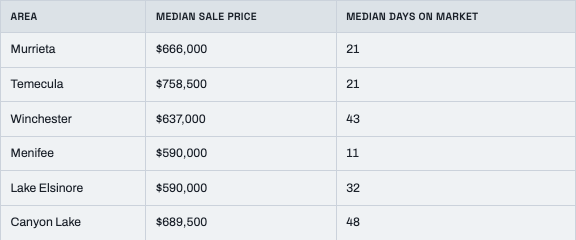
Menifee's 11-day median means inspection scheduling there is especially urgent. Canyon Lake and Winchester give buyers a bit more breathing room, but the contingency deadline in your contract is still the controlling factor regardless of area averages.
For a broader picture of what ownership costs look like across the valley, the hidden costs of living in Temecula post covers what buyers often don't account for until after closing.
Frequently Asked Questions
What does a home inspector check in a Temecula or Murrieta house?
A general home inspector reviews accessible components including the structure, foundation, roof surfaces, gutters, exterior walls, visible plumbing, electrical panels, HVAC systems, interior rooms, attic insulation and ventilation, windows, doors, and safety conditions. The report is a condition assessment of what the inspector can see and test, it is not a code-compliance certificate or a guarantee that every defect has been identified.
Does a general home inspection include the pool?
Not fully. A general inspector may note visible pool conditions, but pumps, filters, heaters, controls, lighting, the shell, and safety barriers are a separate system that a pool specialist evaluates properly. Confirm what your inspection agreement covers, and bring in a dedicated pool professional when the equipment or structure warrants it, especially on older pools.
Should I order a separate sewer-line inspection in Temecula or Murrieta?
A sewer camera inspection is worth considering on most purchases, and especially on older homes, properties with mature trees, or any home where the general report notes slow drainage or past backups. A general inspection cannot see the buried lateral running from the house to the public connection, and a sewer camera can identify root intrusion, breaks, or collapsed sections before they become your problem after closing.
Do I need a separate termite inspection when buying a home in Riverside County?
The California Department of Real Estate specifically recommends considering a separate termite and pest inspection, and it is not covered by the general home inspection. A pest report distinguishes between observed wood-destroying organisms, visible damage, inaccessible areas, and recommended treatment, findings that often factor directly into what buyers negotiate with sellers in this area.
What wildfire or defensible-space issues should Temecula buyers check before removing their inspection contingency?
Properties in Temecula's high and very high fire-severity zones require documentation of a compliant Defensible Space Inspection at the time of sale, per City of Temecula Fire Department requirements. Confirm whether the property is in one of those zones, whether a compliant inspection has been completed, and whether any required clearance work is still outstanding before your contingency deadline. The Fire Marshal's Office at 41000 Main Street (951-694-6405) can answer property-specific questions.
What happens if the inspection finds major repairs after my offer is accepted?
You have options, provided your inspection contingency is still active. You can request repairs, ask for a price reduction or credit, order additional specialist evaluations, or cancel the contract under the contingency. The right move depends on what was found, what your lender or insurer may require, and what the seller is willing to do, which is exactly the kind of negotiation where having an experienced local agent in your corner makes a real difference.
Can a buyer cancel a Temecula home purchase after the inspection?
A buyer can generally cancel during the inspection contingency period under the terms of the signed purchase agreement. Once the contingency is removed or expires, canceling becomes significantly more complicated and may put your earnest money deposit at risk. This is why reviewing reports and making your decision before the deadline, not after, is critical. Verify the specifics with your agent and review your contract carefully.
Every situation is different, and the only way to know exactly where you stand is to go through your specific contract with someone who knows how these negotiations play out in this market. That's a conversation I'm happy to have with you.
Ready to talk through your Temecula home inspection strategy before you make an offer? Schedule a consultation with my team and we'll build a game plan that fits your timeline and the property you're looking at.
About Andrew Lewis
Andrew Lewis is a top-producing REALTOR® and founder of Performance Real Estate serving the Temecula Valley and greater Riverside County. Licensed since 2012, he has closed over 500 transactions totaling more than $200 million in sales, specializing in luxury homes, listings, new construction, relocation, and investor-focused real estate.
Real Broker · (951) 237-0292
Equal Housing Opportunity. Andrew Lewis, CA DRE, Performance Real Estate DRE 01914085 / 02022092, Real Broker, licensed by the California Department of Real Estate. This article is general information only and is not legal, tax, or financial advice. Confirm your specific numbers, contract terms, and inspection requirements with your closing agent, tax advisor, or lender.